
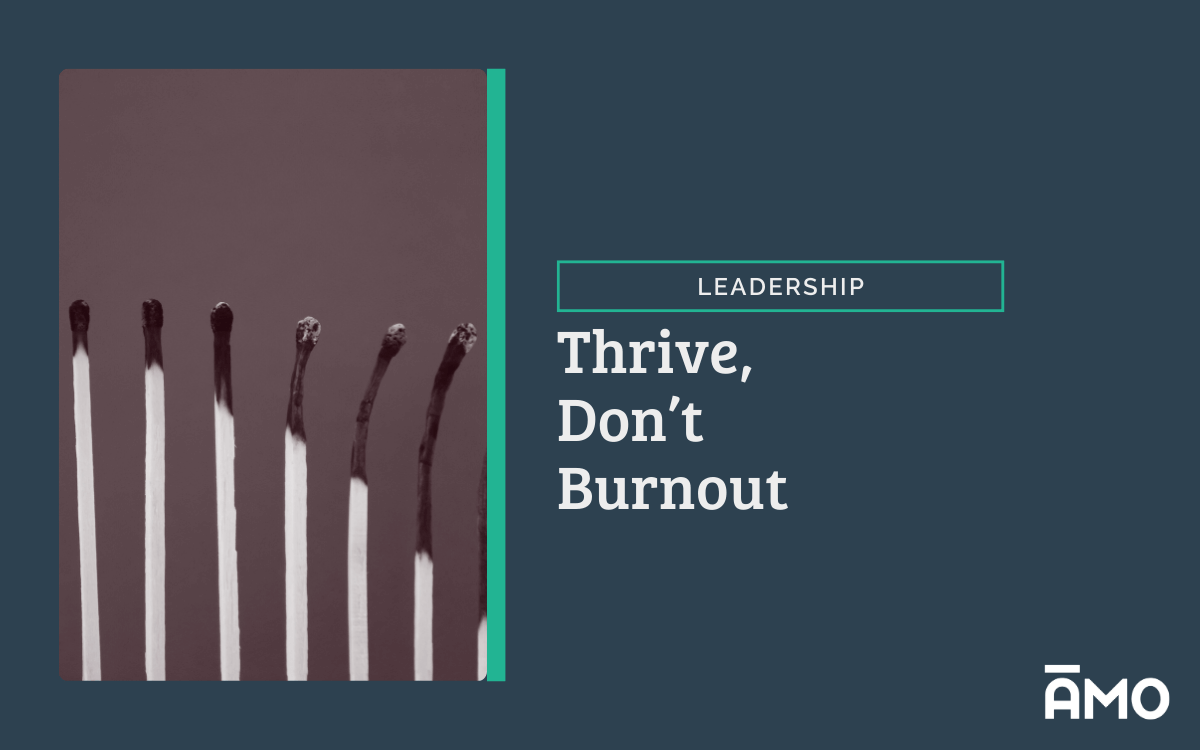
What‘s Burnout?
WebMD states, “Burnout is a form of exhaustion caused by constantly feeling swamped. It happens when we experience too much emotional, physical, and mental fatigue for too long. In many cases, burnout is related to one’s job. But burnout can also happen in other areas of your life and affect your health.” (Jabeen Begum). While the condition can not be medically diagnosed, it can easily affect your physical and mental health.
Burnout is a common experience, often stemming from extended periods of stress related to work or school. According to BCG, “Half of Workers Around the World Are Struggling with Burnout.” Within associations, burnout can significantly affect both teams and members—leading to reduced engagement, lower participation, and even member attrition.
Burnout in Associations
Now that we can all agree burnout is a very real and common experience, the question is: how can your association combat it? Here are four simple strategies to foster a positive work environment and help prevent burnout among your team and members.
- Offer Mental Health Support and Resources: Offering resources is key to a healthy, thriving association with people who are happy to be a part of it. Stress management workshops, check-ins, and focusing on team/member health and happiness can help alleviate pressure.
- Recognize and Appreciate Contributions: Show appreciation and recognition for contributions. Feeling recognized and appreciated can significantly reduce the risk of burnout. According to a study by HRDIVE, “Reducing recognition makes it 48% more likely that employees will report burnout. Similarly, when there’s no company-wide recognition strategy in place, employees are 29% more likely to report burnout.” A little recognition can go a long way. At AMO, we use a Slack channel called #Kudos to recognize contributions and show appreciation.
- Foster a Community of Support: Build a supportive community within your association. By creating an engaging environment, you may help reduce feelings of isolation and possible burnout. Check out AMO’s guide on how to build a vibrant online community for fourteen ways to build a thriving online community.
- Leverage Technology to Streamline Tasks: When used effectively, technology can significantly reduce stress by simplifying and automating routine tasks. Make sure your association’s digital systems are well-optimized to minimize manual work and boost overall productivity.

Ways to fight burnout?
There are many effective ways to fight burnout, whether you need to step back, reassess, and recenter yourself or seek connections to help you through your burnout stage. Harvard researchers have found four practical steps to help people through stages of burnout.
- Prioritize Self-Care: Prioritize yourself, build healthy habits, and focus on your routine. Prioritize good sleep, healthy eating, exercise, social connection, and practices to help your well-being.
- Reduce Exposure to Job-Stressors: Talk with the people around you so they know about your situation. Review expectations and what needs to be done while putting mental health first.
- Seek Out Connections: Reach Out and Build Connections: Don’t keep burnout to yourself—talking openly with others can make a big difference. Seek out mentors or coaches who can help you understand the root of your burnout and guide you toward positive change. Associations can also create opportunities for peer support by pairing up members to encourage connection, accountability, and shared understanding.
- Shift Your Perspective: Altering your perspective can drastically help with feelings of burnout. How can you change your life to be healthier and happier? Cheryl is a perfect example of how shifting your perspective can help with burnout, “Cheryl worked with an executive coach to evaluate and reset her priorities. “I work in a competitive field and I’m a competitive person, which can skew the way you see reality,” she explains. “In the past I didn’t dare say no to leadership opportunities because I was afraid that if I did, everything might disappear.” She says she’s now replaced that “scarcity” mentality with one that instead presumes abundance. “Now, if I feel overextended, I’ll ask myself, Is there a way to inject joy back into this role, or is it time to give it up? And I understand that when I want to take something on, I need to decide what to give up to make space.” (Monique Valcour, Harvard). These small mental shifts in perspective can help prevent burnout and keep you happy.
In Conclusion
As an association, your primary purpose is to help your members thrive and offer the resources they need for professional success. But burnout can impact anyone—leaders, staff, and members alike—slowly eroding the energy and momentum of your organization. Prioritizing well-being isn’t just important, it’s essential. Support your team and members with the tools, connections, and environment they need to stay engaged and energized. After all, the strength of your association depends on the health and vitality of its community. By addressing burnout early, you’re setting your organization up for long-term success.